
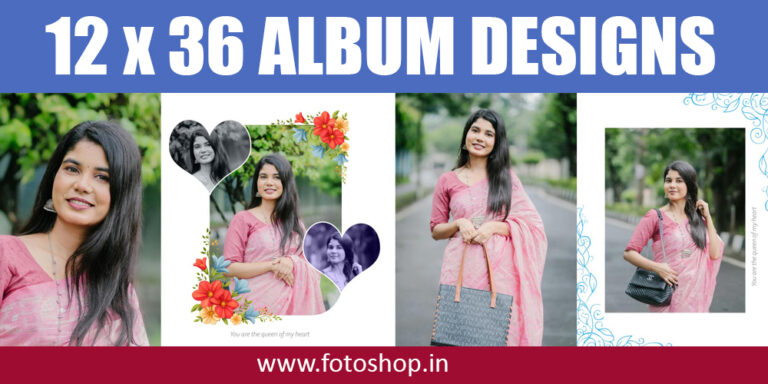
Table of Contents
- The Grandeur of the Panorama
- What Should New Photographers Know About 12×36 Albums?
- Briefly Explain the Uses of 12×36 Albums
- Frequently Asked Questions:
In the world of professional photography, trends come and go, but the 12×36 album has cemented itself as a “gold standard” for wedding and event storytelling. While digital galleries are convenient, there is a tangible, cinematic prestige associated with this specific format that resonates deeply across two major markets: the United States and India.
The Grandeur of the Panorama
The popularity of the 12×36 format (which refers to a 12-inch height and a 36-inch width when fully opened) lies in its cinematic aspect ratio. In both Indian and American cultures, weddings are considered “larger than life” events.
- In India: Weddings are often multi-day, vibrant extravaganzas with hundreds (or thousands) of guests. The 12×36 “flush mount” spread allows for panoramic shots of the massive Mandaps, the intricate details of the Lehenga, and the sprawling group family portraits without a distracting seam in the middle.
- In the United States: There is a growing preference for “storytelling” layouts. A 12×36 spread provides a wide canvas that mimics a movie screen, allowing photographers to place multiple images in a sequence that flows naturally from left to right.
The Luxury Factor
For many families, a wedding album is the first major heirloom of a new generation. The sheer physical presence of a 12×36 album feels substantial. It is not merely a book; it is a centerpiece for the coffee table. The weight and the wide-angle view provide a “wow factor” that smaller, square formats often struggle to replicate.
What Should New Photographers Know About 12×36 Albums?
If you are just starting your journey in professional photography, the 12×36 format can be both your best friend and a technical challenge. Understanding this format isn’t just about knowing the size; it’s about understanding spatial design.
The “Seamless” Advantage
New photographers should know that 12×36 albums are typically flush-mount. This means the prints are mounted onto thick, rigid board pages that lie completely flat. Unlike a traditional book where the image disappears into the “gutter” (the fold), a 12×36 spread allows you to place a person’s face right in the center of the fold without it being distorted.
Why You Need to Master This Format
- Market Demand: If you are shooting Indian or American weddings, clients will likely ask for this size by name. Being unfamiliar with it can make you seem inexperienced.
- Upselling Potential: Because these albums are premium products, they allow you to increase your “Price Per Guest” or package value significantly.
- Creative Freedom: Mastering the 36-inch-wide canvas forces you to think about “negative space” and “storyboarding.” It’s an exercise in visual rhythm that will make you a better editor.
Pro Tip: When designing for 12×36, always keep your “safe zones” in mind. Even though these albums lay flat, keeping critical elements (like eyes or text) at least a half-inch away from the outer edges ensures nothing is lost during the trimming process.


Briefly Explain the Uses of 12×36 Albums
While weddings are the primary driver, the versatility of the 12×36 format makes it useful for several high-end applications:
1. Wedding Storytelling
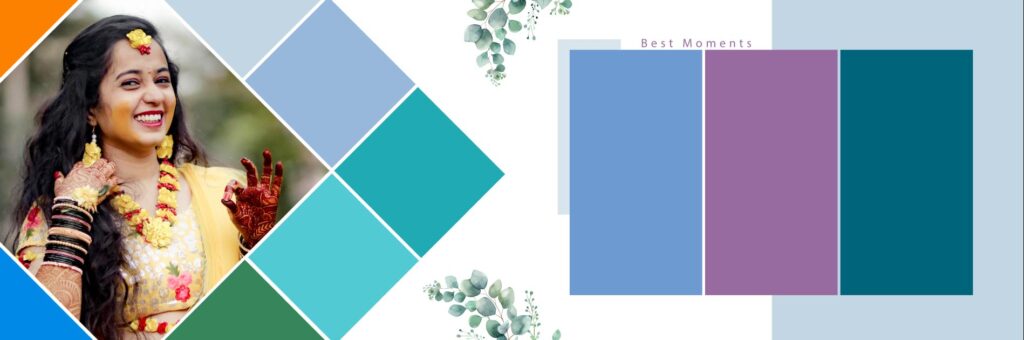
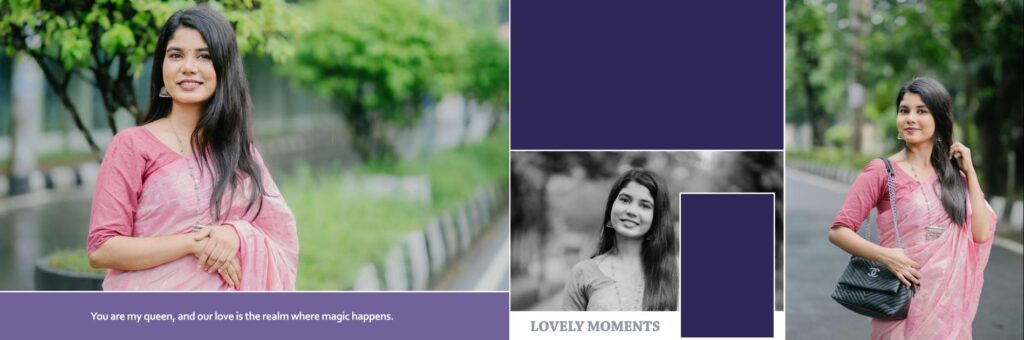
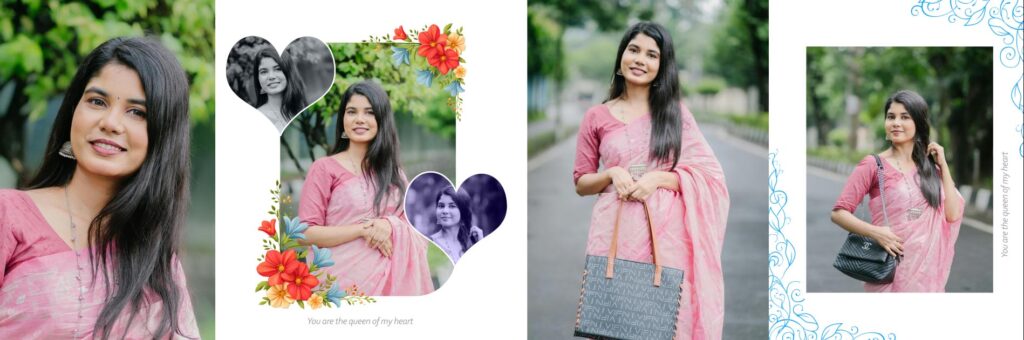
The format’s “bread and butter” is this. It allows for a mix of one large “hero” image (like a wide shot of the ceremony) paired with 3–4 smaller detail shots (the rings, the flowers, a close-up of a smile) on the same spread.
2. High-End Real Estate and Architecture
For photographers documenting luxury estates or commercial architecture, the 36-inch width is perfect for capturing the flow of a room or a sprawling skyline without the distortion that comes from squeezing a wide shot into a square frame.
3. Fashion and Editorial Portfolios
Models and fashion designers love the 12×36 layout because it allows for full-body “catwalk” shots to be displayed alongside fabric textures and different angles of the same outfit, creating a cohesive visual narrative.
4. Travel and Landscape Collections
If you’ve spent a week hiking the Grand Canyon or navigating the streets of Mumbai, a 12×36 album is the only way to do justice to those panoramic vistas. It converts a straightforward photograph into an immersive experience.

Frequently Asked Questions:
1. Why is the 12×36 format specifically called a “panoramic” layout?
The 12×36 dimensions create a 3:1 aspect ratio when the album is open. This mimics the wide-angle view of a cinema screen, allowing for expansive “hero” shots—like a wide view of a wedding Mandap or a sprawling landscape—to be displayed across a single, seamless surface without losing detail in a center fold.
2. What is the difference between a “flush-mount” and a traditional photo book?
A flush-mount album, which is the standard for 12×36 prints, uses rigid, unbending board pages. The photo is printed as one continuous sheet and mounted flat across the spread. A traditional photo book has flexible paper pages that “dip” into a center gutter, which can distort images placed in the middle.
3. How many photos should typically be placed on a single 12×36 spread?
While there are no hard rules, professional designers often recommend:
- 1 “Hero” Image: For maximum impact on a single spread.
- 3 to 5 Images: For a storytelling layout (e.g., one large wide shot paired with three smaller detail shots).
- Avoid Overcrowding: Using more than 6-7 images can make the 36-inch canvas feel cluttered and diminish the “luxury” feel.
4. What are “Safe Zones,” and why are they critical for this size?
Safe zones are the inner margins (usually 0.5 inches) from the outer edges of the 12×36 canvas. Because professional albums are “trimmed” by a machine after binding to ensure clean edges, keeping critical elements like faces, eyes, or text away from these margins prevents them from being accidentally cut off.
5. Why is this format more popular in India and the U.S. than in other regions?
The popularity is largely driven by the scale of the events. Indian weddings are known for their large guest counts and vibrant, wide-scale ceremonies that require a large canvas to capture the full scene. In the U.S., there is a heavy emphasis on “cinematic storytelling” and creating high-end “heirloom” centerpieces for the home, which the 12×36 format satisfies perfectly.
6. Can 12×36 albums be used for anything other than weddings?
Absolutely. Due to the wide aspect ratio, they are highly effective for:
- Commercial Real Estate: Capturing wide interior shots and skylines.
- Fashion Portfolios: Displaying full-body shots alongside fabric textures.
- Landscape Photography: Doing justice to panoramic vistas like mountain ranges or cityscapes.