Table of Contents
- How Do Graphic Designers Attract Customers?
- How do graphic designers get clients?
- What Are the 3 C’s of Graphic Design?
- 1. Composition
- 2. Components
- 3. Concept
- Frequently Asked Questions
How Do Graphic Designers Attract Customers?
In the modern digital landscape, being a talented artist is only half the battle. The other half is visibility. For graphic designers, attracting customers isn’t just about showing off a polished portfolio; it’s about positioning yourself as a problem solver.
The most successful designers attract clients by building a “magnetic” brand. This starts with a niche. While it’s tempting to be a generalist, clients are often looking for specialists who understand their specific industry—whether it’s branding for organic skincare lines or UI/UX for fintech startups. By narrowing your focus, you become the “go-to” expert rather than another face in the crowd.
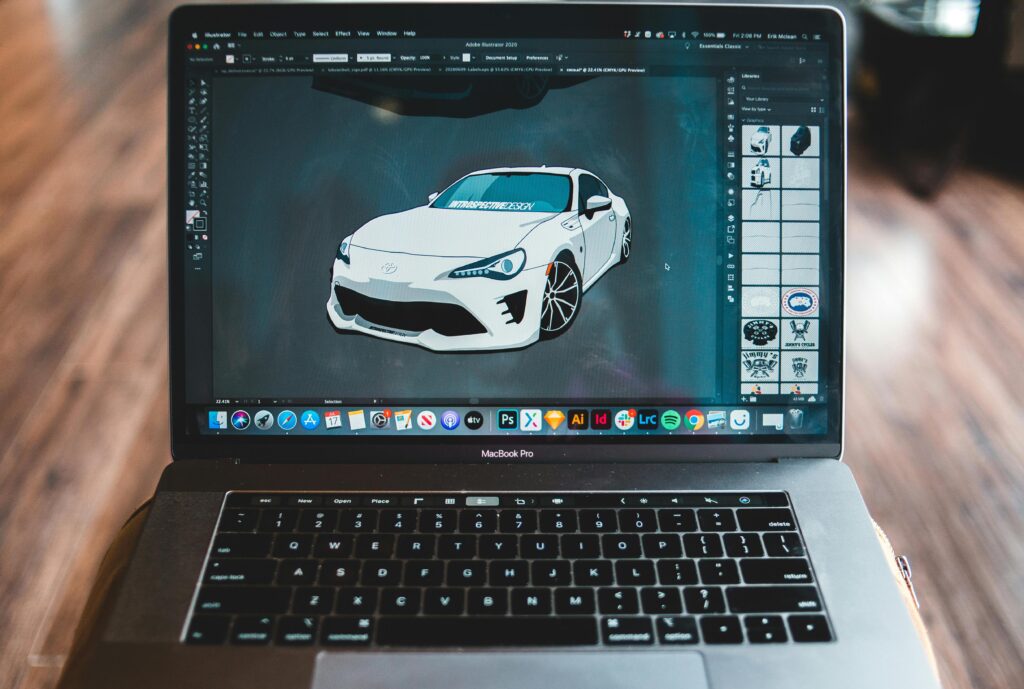
Beyond specialization, attraction is driven by content marketing. Designers who share their process—sketches, mood boards, and the “why” behind their decisions—build trust before a client even sends an inquiry. Platforms like Instagram, Behance, and Dribbble are the standard, but don’t underestimate the power of a well-curated LinkedIn profile or a personal blog. When you teach your audience something about design, you demonstrate authority, and authority attracts high-paying customers.
This image is taken from www.pixels.com
How do graphic designers get clients?
Attracting customers is passive; getting a client is active. If you’re waiting for the phone to ring, you’re leaving your income to chance. Here is a tactical roadmap to securing your next contract:
Leverage Your Existing Network: Most designers get their first “real” gigs through friends, family, or former colleagues. Don’t be shy—let everyone know you are taking on new projects.
Cold Outreach (Done Right): Forget mass emails. Research a company you admire, identify a gap in their current visual identity, and send a personalized video or pitch deck showing how you could improve their brand.
Optimize Your Portfolio for Conversion: Your website shouldn’t just be a gallery; it should be a sales tool. Include clear Call to Action (CTA) buttons like “Let’s Start a Project” and feature testimonials that highlight the ROI your design provided.
Networking and Partnerships: Connect with web developers, copywriters, and marketing consultants. These professionals often work with clients who need design services, creating a mutually beneficial referral loop.
Pro Tip: Focus on “Social Proof.” If you’ve helped a client increase their engagement by 30% through a redesign, shout it from the rooftops. Results-oriented language gets you hired faster than “I like pretty colors.”
What Are the 3 C’s of Graphic Design?
To keep those clients coming back, your work needs to be grounded in the fundamental principles of professional design. In the industry, we often refer to the 3 C’s: Composition, Components, and Concept.
| Principle | Description | Why It Matters |
| Composition | The arrangement of elements on the page or screen. | It guides the viewer’s eye and ensures the hierarchy of information is clear. |
| Components | The individual assets—typography, color palettes, and imagery. | These are the building blocks that set the mood and professional tone of the piece. |
| Concept | The underlying “big idea” or message behind the design. | Without a concept, design is just decoration. A strong concept solves the client’s problem. |
1. Composition
Composition is the skeleton of your design. Using grids, the rule of thirds, and white space, you create a sense of balance. A design with poor composition feels “cluttered” or “off,” even if the individual drawings are beautiful. Good composition ensures that the most important information—like a “Buy Now” button—is seen first.
2. Components
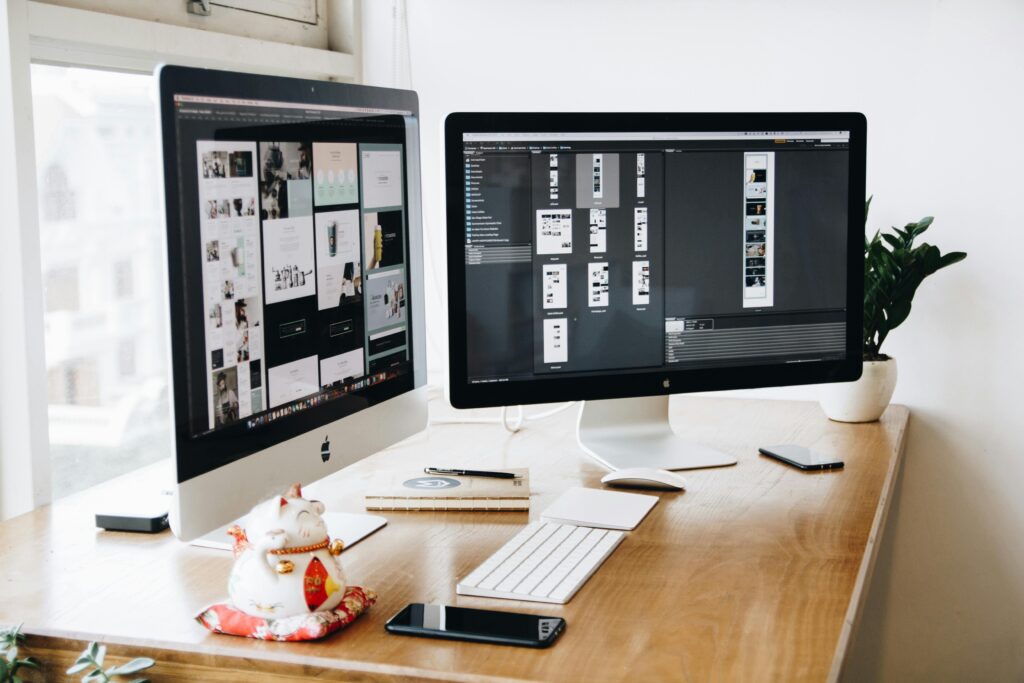
Every choice you make regarding components should be intentional. Using a serif font conveys tradition and reliability, while a bold sans-serif feels modern and energetic. Your color palette isn’t just about aesthetics; it’s about psychology. Understanding how these components work together is what separates a hobbyist from a professional.
3. Concept
This is the most critical “C.” Before you open Photoshop or Illustrator, you must have a concept. What is the story? If you are designing a logo for a sustainable construction company, the concept might revolve around “growth” and “stability.” A design backed by a strong concept is much easier to sell to a client because it’s rooted in strategy, not just personal preference.
This image is taken from www.pixels.com
Frequently Asked Questions
1. How much should I charge as a freelance graphic designer? Pricing varies based on experience, location, and project complexity. Most designers use one of three methods: Hourly rates (great for ongoing work), project-based fees (best for defined deliverables like logos), or value-based pricing (charging based on the impact the design will have on the client’s business). Beginners often start with hourly rates, while pros lean toward value-based fees.
2. Do I need a formal degree to get high-paying clients? Not necessarily. In the design industry, your portfolio is your résumé. While a degree provides a strong foundation in design theory, many successful designers are self-taught. Clients care more about your ability to solve their visual problems and your professional reliability than a diploma.
3. What software is considered the industry standard? The Adobe Creative Cloud (Photoshop, Illustrator, and InDesign) remains the gold standard for print and branding. However, for web and UI/UX design, tools like Figma have become the primary choice. For motion graphics, After Effects is the go-to tool.
4. How often should I update my portfolio? You should “curate” rather than just “update.” Aim to refresh your portfolio every 6 to 12 months, removing older work that no longer reflects your best style or the type of work you want to attract. Quality always beats quantity—five stellar case studies are better than twenty mediocre ones.
5. How can I protect my work from being used without payment? Always use a written contract. A good contract specifies that the “usage rights” or “copyright” of the design only transfer to the client once the final invoice is paid in full. For new clients, it is standard practice to request a 50% deposit before starting any work.
6. What is the difference between graphic design and branding? Graphic design is the creation of individual visual elements (like a social media post or a flyer). Branding is the holistic strategy and identity of a business, including the voice, values, and the “vibe” that those graphic elements represent. Graphic design is a tool used to build a brand.