
Table of Contents
- Understanding Traditional Photography
- Key Features of Traditional Photography
- Why Choose Traditional Photography?
- What Are the Advantages of Traditional Photography?
- The Lens of Tomorrow: How Youth Will Reframe “Traditional” Wedding Photography in 2026
- Frequently Asked Questions: Traditional & Modern Photography
When we think about photography, especially in the context of weddings, events, or family portraits, two styles often come to mind—traditional and candid. While candid photography has grown in popularity in recent years, classic photography continues to be a timeless and fundamental form of visual storytelling.
Understanding Traditional Photography
The term “traditional photography” describes a traditional, staged approach to taking pictures. It follows a structured and formal approach where the photographer directs the subjects to pose in specific ways. This method ensures that all key moments and people are documented clearly, often with attention to detail, lighting, and composition.
This style is commonly used in:
- Weddings and receptions
- Religious ceremonies
- Family portraits
- Graduations and school photos
- Corporate events
Key Features of Traditional Photography
Posed Shots
Subjects are usually aware of the camera and are guided into poses by the photographer. This helps capture clean, well-composed, and flattering images.
Full Coverage
Traditional photography ensures that every important moment is covered—from rituals and ceremonies to group photos with family and friends.
Formal Composition
Attention is paid to backgrounds, lighting, and symmetry, ensuring the photos are polished and professional.
Consistent Style
Traditional photos often follow a consistent look and feel, ideal for albums and formal display.
Why Choose Traditional Photography?
While candid and artistic photography tells a story in a spontaneous way, traditional photography is reliable for capturing milestone moments with clarity and grace. It ensures that:
- Every guest is included.
- Important rituals or traditions are documented.
- Portraits are timeless and suitable for framing or printing.
What Are the Advantages of Traditional Photography?
In the current digital era, photography has developed into a wide range of artistic mediums, including documentary and candid photography as well as cinematic narrative. However, traditional photography still has a role, particularly in formal events like weddings and family pictures. But why does this classic style remain so popular?
Let’s explore the key advantages of traditional photography and why it still matters in today’s visual culture.
1. Perfectly Posed Moments
One of the biggest strengths of traditional photography is its focus on posed compositions. The photographer guides subjects to stand or sit in a flattering, well-lit manner, ensuring everyone looks their best. This is ideal for:
- Family group shots
- Couple portraits
- Formal ceremonies and rituals
These posed moments create timeless, elegant photos that never go out of style.
2. Complete Coverage of Key Events
Traditional photographers are trained to capture every important moment, especially in weddings and events. From the ring exchange to the group family photos, nothing is missed. This style ensures:
- No guest is left out
- Rituals and ceremonies are well-documented
- You are given a thorough visual record of the incident.
3. Consistency and Clarity
Traditional photography is methodical, consistent, and pays close attention to backdrop, lighting, and composition. This consistency is especially useful when:
- Creating wedding albums or photo books
- Printing large portraits for framing
- Matching the aesthetic across all images
4. Ideal for Albums and Framing
The classic look of traditional photographs makes them perfect for framing and display. Whether it’s a family portrait on your living room wall or a couple’s photo in a wedding album, these images are meant to last a lifetime.
5. Simplicity That Works for All Ages
Traditional photography appeals to people of all generations. Older family members, in particular, often prefer the posed and polished approach, as it reflects the style they grew up with. It also ensures that everyone is comfortable and camera-ready.
6. Budget-Friendly Option
Compared to some modern cinematic or high-end candid photography styles, traditional photography can often be more cost-effective while still delivering high-quality results.
The Lens of Tomorrow: How Youth Will Reframe “Traditional” Wedding Photography in 2026
For decades, traditional wedding photography followed a rigid script: the stiff family lineup, the “perfectly” lit cake, and the forced smile of a couple holding a pose for what felt like an eternity. But as we move through 2026, a new generation is rewriting the rulebook. For Gen Z and the emerging Gen Alpha, the word “traditional” is no longer a set of poses to replicate—it’s a foundation to be deconstructed and personalized.
In 2026, young people aren’t just looking for photos; they are looking for visual heritage that feels as fast-paced and authentic as their daily lives. Here is how they are redefining the classic wedding gallery.
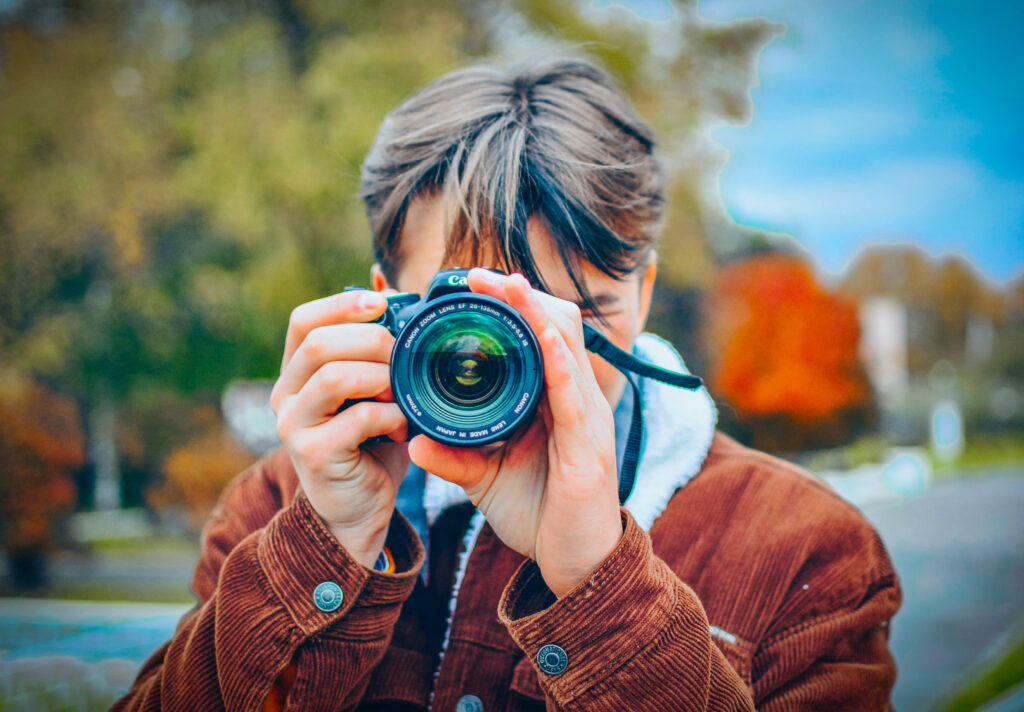
This image is taken from www.pixels.com website.
1. From Staged Perfection to “Loose Editorial”
The youth of 2026 have grown up in a world of curated social media, and they are officially over “perfect.” The new standard is Loose Editorial—a hybrid style that blends the high-fashion aesthetics of a magazine with the raw, messy energy of real life.
Instead of a perfectly centered portrait, expect to see:
- Motion Blur: Capturing the chaotic energy of the dance floor or a running getaway.
- Direct Flash: A 90s-inspired “party” vibe that feels spontaneous rather than staged.
- The “In-Between” Moments: A bride fixing her shoe or a groom’s nervous laugh before the vows.
2. The Analog Renaissance: Why “Old” is New
Paradoxically, the most digital-native generation is obsessed with the physical. In 2026, traditional photography is often supplemented by 35mm film and Super 8 video. Young couples value the “imperfections” of film—the grain, the light leaks, and the nostalgic color palettes—as a “quiet rebellion” against AI-generated perfection. To them, a grainy photo of their grandparents laughing is more “traditional” than a high-resolution, airbrushed portrait.
3. Content Creators as the New Second Shooters
While the primary photographer captures the “heirloom” shots, 2026 has seen the rise of the Wedding Content Creator. Young couples view social-first content (vertical 9:16 reels and TikTok-ready BTS clips) as a vital part of the wedding record. To them, the “tradition” of sharing the day with their community happens in real-time, not six months later when the album arrives.
“In 2026, a wedding isn’t just a ceremony; it’s a multi-platform narrative. Authenticity is the only currency that matters.”
4. Intentional Minimalism and “Blue Hour” Portraits
The “big, flashy wedding” is being replaced by intentional minimalism. Young people are gravitating toward Blue Hour photography—the moody, cinematic window just after sunset. These shots prioritize atmosphere over detail, focusing on the feeling of the evening. The emphasis shifts from “look at what we bought” to “look at how we felt.”
Frequently Asked Questions: Traditional & Modern Photography
1. What is the main difference between traditional and candid photography?
Traditional photography focuses on a structured, staged approach where the photographer directs subjects to pose. Candid photography captures spontaneous, unposed moments as they happen, focusing on raw emotion and natural movement.
2. Why should I still consider traditional photography for my wedding?
Traditional photography is the “gold standard” for reliability. It ensures that every key ritual is documented, every important guest is included in a photo, and the lighting and composition are polished for high-quality printing and framing.
3. Is traditional photography more budget-friendly?
Generally, yes. While cinematic or high-end documentary styles often require more specialized gear and extensive post-production, traditional photography follows a methodical workflow that can often be more cost-effective while delivering professional, high-quality results.
4. How is the younger generation changing the “traditional” style in 2026?
Gen Z and Gen Alpha are moving away from “staged perfection” toward a “Loose Editorial” style. This involves embracing imperfections like motion blur, direct flash, and “in-between” moments that feel more authentic and less forced.
5. What is the “Analog Renaissance” mentioned in 2026 trends?
This refers to the growing popularity of 35mm film and Super 8 video. Even in a digital world, young couples value the grain, light leaks, and nostalgic colors of film as a way to stand out against AI-generated or overly airbrushed images.