Table of Contents
- Why 12×36? The Perfect Canvas
- The Power of PSD Backgrounds
- What to Look for in 12×36 Wedding Album PSD Backgrounds
- Tips for Using 12×36 PSD Backgrounds Effectively
- The Ultimate Guide to 12×36 Wedding Albums: Benefits, Career Tips, and Design Rules
- What Are the Benefits of a 12×36 Wedding Album?
- Can Those Who Have Just Learned Photoshop Take This 12×36 Album as a Career?
- What Are the Rules That New Album Designers Should Follow?
- Frequently Asked Questions
Your wedding day is a series of brief moments filled with love, laughter, and promises. And what better way to immortalize these precious memories than in a beautifully crafted wedding album? While every photograph tells a story, the overall presentation can elevate it to an art form. This is where 12×36 wedding album PSD backgrounds come into play, offering a world of creative possibilities for photographers and designers alike.
Why 12×36? The Perfect Canvas
The 12×36 inch format is a popular choice for wedding albums for a reason. Its panoramic spread allows for stunning, impactful layouts, perfect for showcasing wide shots, composite images, or a series of moments that flow seamlessly across the page. This generous size provides ample space to play with design elements without cluttering the visuals.
The Power of PSD Backgrounds
PSD (Photoshop Document) backgrounds are a big changer in album design. Here’s why:
- Layered Flexibility: Unlike flattened images, PSD files come with multiple layers. This means you can easily customize individual elements—change colors, adjust opacities, add or remove textures, and even rearrange components to perfectly match the mood and style of each couple’s wedding.
- Time-Saving Workflow: Imagine designing each page from scratch! PSD backgrounds provide a fantastic starting point, saving countless hours of design work. With a pre-designed template, you can focus on selecting the best photos and fine-tuning the layout.
- Professional Finish: High-quality PSD backgrounds are designed by professionals, ensuring a polished and aesthetically pleasing result. They often incorporate elegant textures, subtle gradients, and sophisticated design elements that instantly elevate the look of your album.
- Endless Variety: From classic and elegant to modern and vibrant, minimalist to richly detailed, there’s a PSD background for every wedding theme and personal preference. You can find options with floral motifs, abstract patterns, vintage textures, cinematic effects, and so much more.
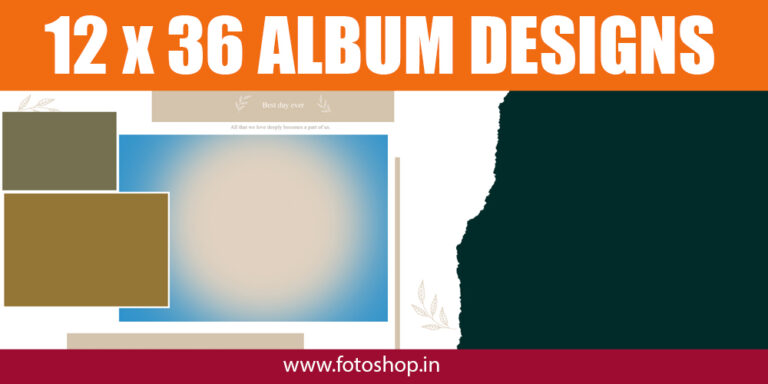
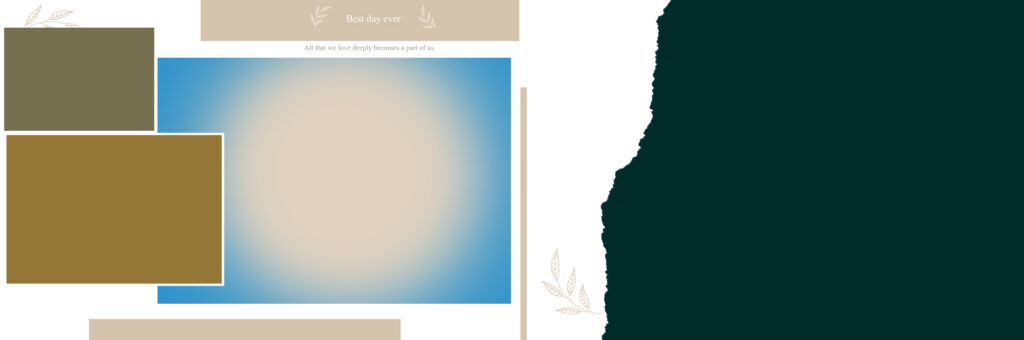
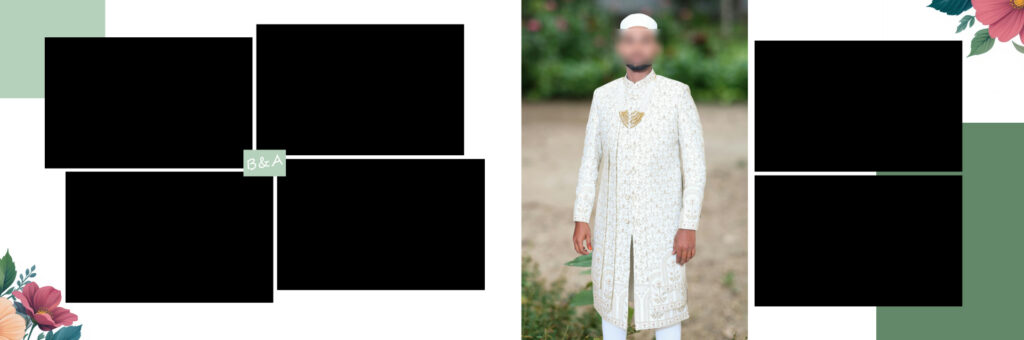
Screenshots of Creative 2026 Muslim Wedding Album 12×36 PSD Designs -04



What to Look for in 12×36 Wedding Album PSD Backgrounds
When choosing your PSD backgrounds, consider these factors:
- High Resolution: Always ensure the backgrounds are high-resolution (300 DPI is ideal) to prevent pixelation when printed.
- Print-Ready: Look for files that are designed with CMYK color profiles, ready for professional printing.
- Ease of Customization: Check if the layers are well-organized and clearly labeled, making it easy to edit them in Photoshop.
- Variety in Design: A good collection will offer a diverse range of styles to cater to different client tastes.
- Licensing: Be sure to understand the licensing terms for commercial use, especially if you’re a professional photographer or designer.
Tips for Using 12×36 PSD Backgrounds Effectively
- Match the Mood: Select backgrounds that complement the overall theme and emotional tone of the wedding photos. A rustic wedding might call for more natural textures, while a grand ballroom affair could benefit from more opulent designs.
- Balance is Key: While backgrounds add visual interest, ensure they don’t overpower the photographs. The focus should always remain on the couple and their special moments.
- Consistency: Maintain a consistent design aesthetic throughout the album. While you can use different backgrounds, ensure they share a common thread in terms of style or color palette.
- Tell a Story: Use the backgrounds to enhance the narrative flow of the album. For instance, a soft, dreamy background might be perfect for a romantic portrait, while a more vibrant one could suit a lively reception shot.
Experiment! Don’t be afraid to try different combinations and customize the layers to create unique and personalized designs for each couple.

The Ultimate Guide to 12×36 Wedding Albums: Benefits, Career Tips, and Design Rules
When it comes to wedding photography, the final product is more than just a collection of digital files—it’s the first heirloom of a new family. While many formats exist, the 12×36 wedding album (often referred to as a “flush mount” or “panoramic” layout) has become the gold standard for luxury and storytelling.
Whether you are a couple looking for the best way to preserve your memories or an aspiring designer wondering if this niche is right for you, here is everything you need to know.
What Are the Benefits of a 12×36 Wedding Album?
The 12×36 format is essentially a 12×18 inch page that spreads across two sides, creating a seamless, breathtaking panoramic view. Here is why it stands out:
- Cinematic Storytelling: The wide aspect ratio allows designers to place multiple images in a sequence that feels like a movie storyboard. You can mix wide-angle venue shots with intimate close-ups without the pages feeling cluttered.
- The “Wow” Factor: There is nothing quite like opening an album to find a full-bleed, 36-inch wide photo of a couple’s first kiss or a stunning landscape. It captures the scale of the event in a way standard sizes cannot.
- Durability and Quality: These albums are usually “flush mount,” meaning the prints are mounted onto thick, rigid board. They don’t bend, tear, or yellow over time, ensuring the memories last for generations.
- Design Flexibility: The extra horizontal space gives “white space” a chance to breathe. This leads to a modern, clean aesthetic that looks more like a high-end art book than a traditional scrapbooked photo album.
Can Those Who Have Just Learned Photoshop Take This 12×36 Album as a Career?
The short answer is: Yes, absolutely. Album design is one of the most accessible entry points into the professional creative world. If you have mastered the basics of Adobe Photoshop—such as layers, masking, the transform tool, and basic color correction—you already possess the technical foundation needed to build a career.
The wedding industry is massive, and many professional photographers are “shooting machines” who don’t have the time to sit behind a computer for hours designing layouts. They are constantly looking for reliable freelancers to outsource their album design to.
Starting a career here doesn’t require complex 3D rendering or high-end illustration skills. It requires an eye for layout and efficiency. As you grow, you can expand your services to include high-end skin retouching and advanced color grading, allowing you to charge premium rates.
What Are the Rules That New Album Designers Should Follow?
Stepping into the professional world requires more than just creativity; it requires discipline. If you are a new designer, follow these “golden rules” to ensure your work looks professional:
- Respect the “Safe Zone” and “Gutter”: Even though 12×36 albums are designed to lay flat, always keep important elements (like faces or text) away from the center fold (the gutter) and the very edges of the page to avoid losing them during the binding and trimming process.
- Less is More: Avoid the temptation to cram 10 photos onto one spread. Stick to 3–5 images per spread to maintain a sophisticated look. Let the “hero” shot take center stage.
- Maintain Color Consistency: Ensure the photos on a single spread share a similar color palette or “vibe.” Putting a warm, sunset photo next to a cool, fluorescent-lit indoor shot can be jarring.
- Chronological Flow: An album is a book. It should have a beginning (getting ready), a middle (the ceremony), and an end (the reception). Jumping back and forth in time confuses the viewer.
- Use High-Resolution Files: Never design with low-res previews. Always work with the original, high-resolution files to ensure the print is crisp and professional.
Frequently Asked Questions
Q1: What exactly are 12×36 Wedding Album PSD Backgrounds?
A1: They are pre-designed digital templates in a 12×36 inch panoramic format, saved as Photoshop Document (PSD) files. These files contain multiple editable layers that you can use as the backdrop for your wedding photographs in a digital album layout. They provide a foundation for your design, saving you time and ensuring a professional look.
Q2: Why is the 12×36 inch size popular for wedding albums?
A2: The 12×36 inch size offers a wide, expansive canvas perfect for showcasing panoramic photos, creating dynamic two-page spreads, or arranging multiple photos in a cohesive visual story. Its large dimensions allow for impactful designs without feeling cramped.
Q3: What are the main benefits of using PSD backgrounds?
A3: PSD backgrounds offer several key advantages:
- Layered Flexibility: You can easily customize individual elements like colors and textures and even rearrange components because they are on separate layers.
- Time-Saving: They provide a ready-made design foundation, significantly reducing the time spent on album creation.
- Professional Quality: Designed by professionals, they often feature high-quality aesthetics and intricate details.
- Variety: There’s a vast selection of styles to match any wedding theme or couple’s personality.
Q4: Can I use these templates if I only know basic Photoshop?
Yes! If you understand how to use Layers and the Move Tool, you can use these backgrounds. Most professional PSDs are designed to be “plug-and-play,” where you simply place your photo behind or inside a frame layer. It is an excellent way for beginners to produce professional-quality work while they are still learning.
Q5: Will these backgrounds work for any wedding theme?
Absolutely. While your current collection features Creative 2026 Muslim Wedding Album designs, the beauty of PSD files is their versatility. You can adjust the color grading, swap textures, or hide specific decorative elements to match anything from a traditional ethnic wedding to a modern minimalist ceremony.