Table of Contents
- 1. The Culling and Selection Phase (1–2 Weeks)
- 2. The Initial Design Layout (1–2 Weeks)
- 3. The Revision Cycles (1–3 Weeks)
- 4. Production and Handcrafting (2–4 Weeks)
- The Verdict
- Factors That May Accelerate or Decelerate the Process
- Frequently Asked Questions
Designing a wedding album is often the final hurdle in the marathon of wedding planning. After the cake is eaten and the dress is preserved, those digital files sit in a cloud waiting to become an heirloom. But if you’re hiring a professional, you might wonder: How long does it actually take?
The short answer is that the process typically spans 4 to 10 weeks. However, that timeline isn’t just about a designer sitting at a computer; it’s a collaborative journey.
1. The Culling and Selection Phase (1–2 Weeks)
Before a single layout is created, the “stars” of the show must be picked. Most wedding photographers deliver between 400 and 800 edited images. A professional album usually holds 60 to 100 images.
- The Client’s Job: Most delays happen here. Couples often feel overwhelmed by the choice.
- The Pro’s Job: Many high-end designers offer a “pre-design” service where they select the strongest narrative shots for you, significantly narrowing down the timeline.
2. The Initial Design Layout (1–2 Weeks)
Once the images are finalized, the designer gets to work. Professional album design is not equivalent to “plug and play.” It involves:
- Visual Storytelling: Balancing “hero” shots (full-page spreads) with chronological storytelling.
- Color Harmony: Ensuring the colors on the left page don’t clash with the right.
- White Space: Using “breathing room” to give the album a modern, high-end feel rather than a cluttered scrapbook look.
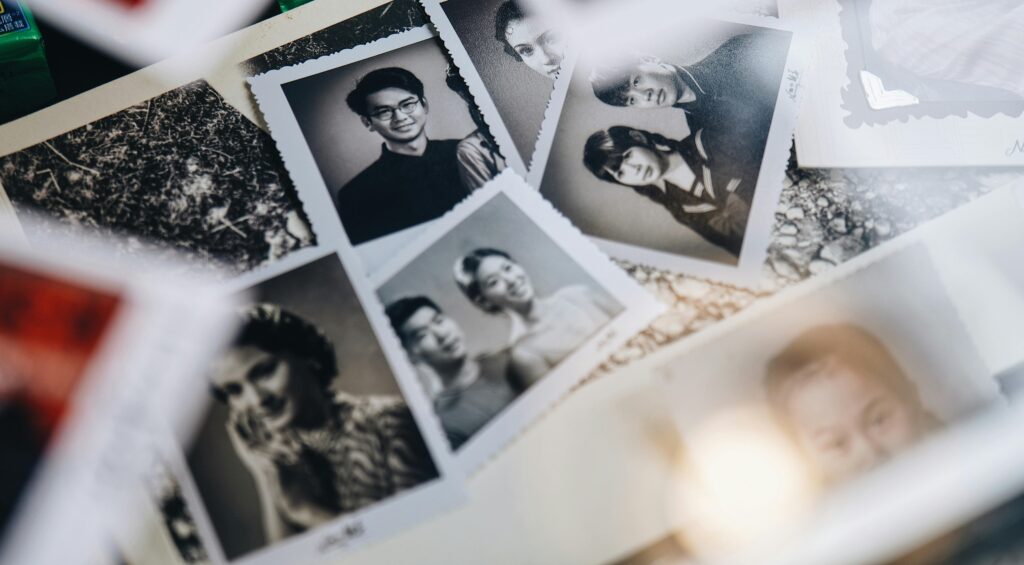
This image is taken from the www.pixels.com website.
3. The Revision Cycles (1–3 Weeks)
The timeline’s most erratic section is this one. A professional designer will send you a digital proof.
Pro Tip: Most designers include two rounds of revisions in their base price. If you’re decisive, this stage can fly by in a few days. If you need several weeks to consult with family, it will naturally extend the process.
4. Production and Handcrafting (2–4 Weeks)
Once you hit the “Approve” button, the digital file goes to a professional print lab. Unlike “consumer-grade” books you find online, professional albums are often:
- Printed on Archival Paper: Using silver halide or high-end giclée processes.
- Hand-Bound: Wrapped in Italian leather, premium linens, or velvet.
- Quality Checked: Lab technicians inspect every spread for color accuracy and binding tension.
Shipping also plays a factor here, especially if your designer uses specialty labs in Europe or boutique workshops across the US.
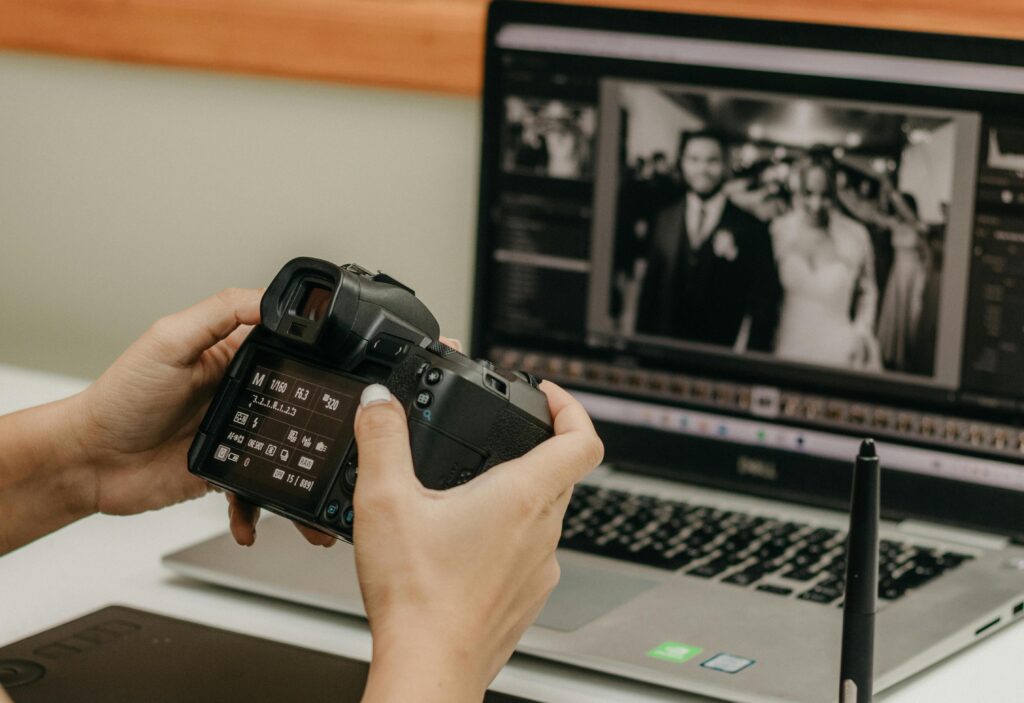
This image is taken from the www.pixels.com website.
The Verdict
While you can technically DIY a book in a weekend, a professionally designed album is an investment in longevity. From the initial curation to the moment the heavy, linen-wrapped box arrives at your doorstep, you’re looking at roughly two months.
It requires patience, but remember: you aren’t just making a book; you’re creating the first heirloom of your new family. That kind of craftsmanship shouldn’t be rushed.
Factors That May Accelerate or Decelerate the Process
| Factor | Impact on Timeline |
| Peak Wedding Season | Designers are busier in Autumn/Winter (post-summer weddings). |
| Cover Customization | Custom cameos or debossing can add a week to production. |
| Communication Speed | Rapid feedback on proofs can shave 2 weeks off the total time. |
| Design Complexity | Minimalist designs are faster than complex, multi-image collages. |
Frequently Asked Questions
1. Can I speed up the design process if I’m in a hurry?
Yes. The fastest way to shorten the timeline is to provide your photo selections quickly and limit your revision rounds. Many professional designers also offer expedited design and shipping services for an additional fee, which can sometimes cut the production time in half.
2. Why does a professional album take longer than a DIY photo book?
DIY books are often mass-produced using automated software. Professional albums involve manual color correction, custom layout artistry to ensure a narrative flow, and high-end construction (like lay-flat pages and archival leather) that requires hands-on craftsmanship at a professional print lab.
3. How many photos should I select for my wedding album?
For a standard 20-spread (40-page) album, we recommend selecting between 60 and 80 images. Choosing too many photos can make the pages feel cluttered, while a smaller, curated selection allows your most important “hero” shots to stand out.
4. What happens during the “Revision” stage?
After the initial design is finished, you will receive a digital proof. This is your chance to request changes, such as swapping one photo for another, adjusting the cropping, or moving the order of the pages. Most professionals include two rounds of revisions to ensure the final product is perfect.
5. Does the time of year affect the delivery date?
Absolutely. The “busy season” for album designers typically follows the peak wedding season. If you submit your photos between October and January, expect slightly longer turnaround times due to the high volume of holiday orders and end-of-year wedding completions.
6. What is the difference between a “spread” and a “page”?
In the world of professional albums, a spread refers to two facing pages (left and right) that are viewed together when the book is open. Because our albums feature “lay-flat” binding, we design across the entire spread without a gap in the middle, allowing for stunning panoramic layouts.
7. Do I need to edit my photos before sending them to you?
No, you don’t need to worry about that! While we ask that you provide high-resolution files, we perform a final color consistency check during the design phase. This ensures that the skin tones and lighting look uniform across the physically printed pages, regardless of the lighting conditions at your venue.
8. Can I add more pages if I can’t narrow down my photo selection?
Of course. While our standard albums start at 20 spreads, most professional albums can be expanded to accommodate up to 40 or 50 spreads (80–100 pages). Keep in mind that as the album gets thicker, the spine width increases, and there is usually a per-spread fee for the additional design and printing work.
9. What is “archival quality,” and why does it matter?
Archival quality means the materials used—from the acid-free paper to the pigment-based inks—are designed to resist fading and deterioration for over 100 years. Unlike standard store-bought photo books that may yellow or peel over time, a professional album is built to be a family heirloom passed down through generations.
10. Can I order smaller copies for my parents?
Yes! We offer “Parent Albums,” which are smaller-scale replicas of your main wedding album design. These make incredible gifts and are typically ordered at the same time as your primary album to ensure the colors and cover materials match perfectly.